






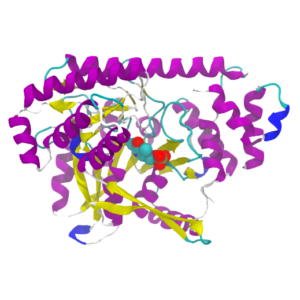
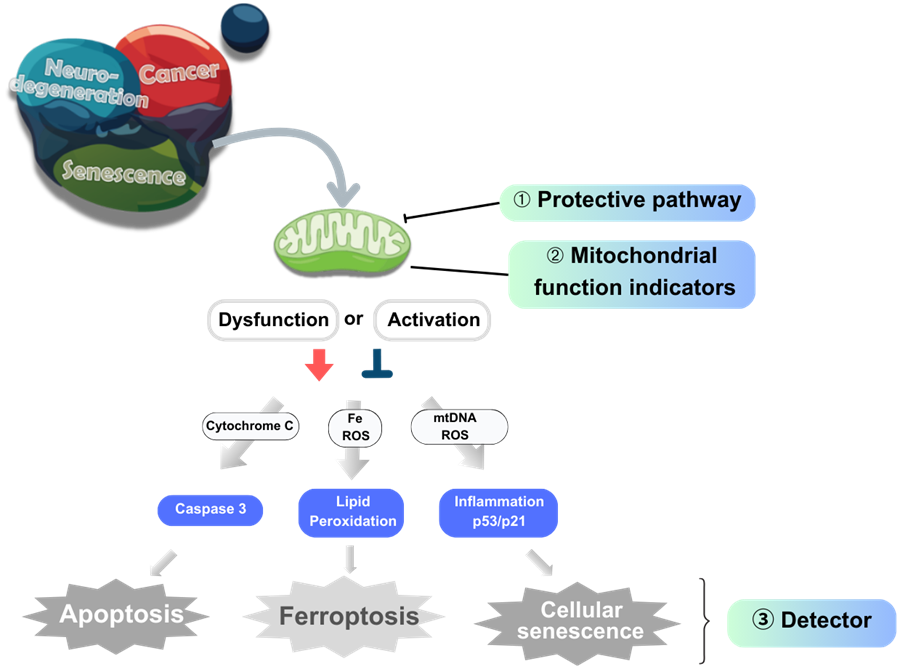
Cancer, neurodegeneration and senescence are major areas of contemporary medical research. The pathological mechanisms underlying these conditions involve a complex interplay of interrelated cellular phenomena, such as cell death and the cellular senescence pathway. These phenomena are often centered on mitochondrial function, highlighting the central role of mitochondria in the pathogenesis of cancer1), neurodegeneration and senescence2), while also highlighting promising therapeutic targets for these disorders.
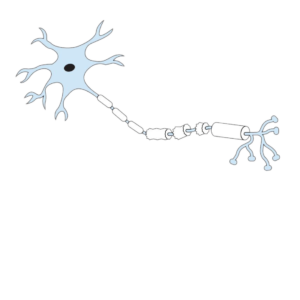
Cellular Senescence
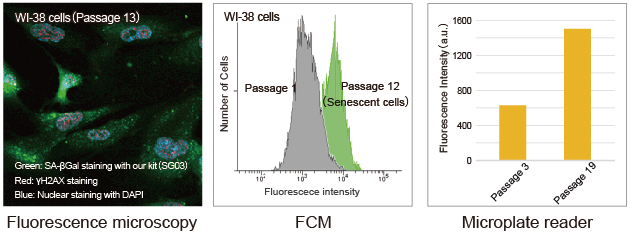
Understanding the apoptosis, necrosis, autophagy and cellular senescence is critical for Cell Function Analysis. Especially, the cellular senescence has been attracting the attention in various fields since the report of the SASP (senescence-associated secretory phenotype), and the stem cell senescence.
We offer four types of kits and reagents with different indicators and methods.
■ Increased expression of SA-β-Gal
■ Accumulation of DNA damage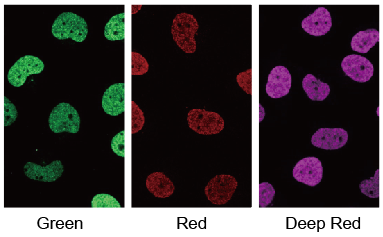 | ■ Nucleolar hypertrophy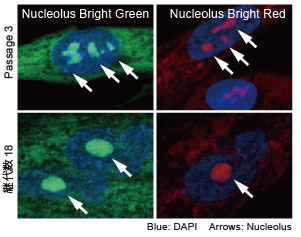 |
Experiments using multiple indicators
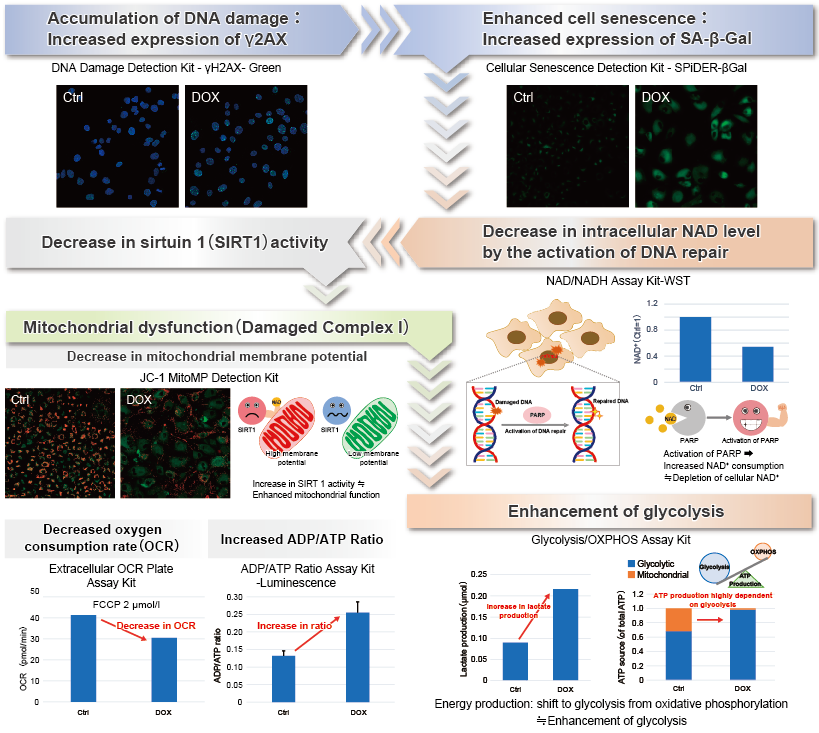
■ Example: Observing the intracellular metabolic changes associated with cellular senescence
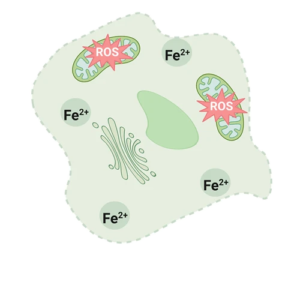
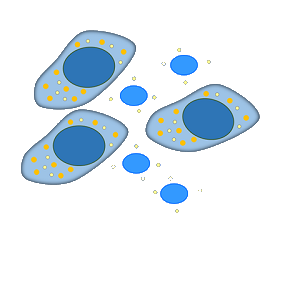
In cellular senescence induced cells, an increased expression of SA-β-gal and the irreversible cell-cycle arrest are observed, and those cells with accumulation of DNA damage shift the energy metabolism to glycolysis as the consequence of the decline in mitochondrial function.
The changes in cell function were evaluated with doxorubicin (DOX) induced senescent A549 cells by conducting the experiments using multiple indicators.
Showing 31–48 of 48 resultsSorted by popularity
-

-
-
-
-
-
LysoPrime Green – High Specificity and pH Resistance
SKU: L261-12£332.00 exc. VAT3 tubes (10 µL x 3)
-
-
-
-
-
-
-
-
-
-
-
-